


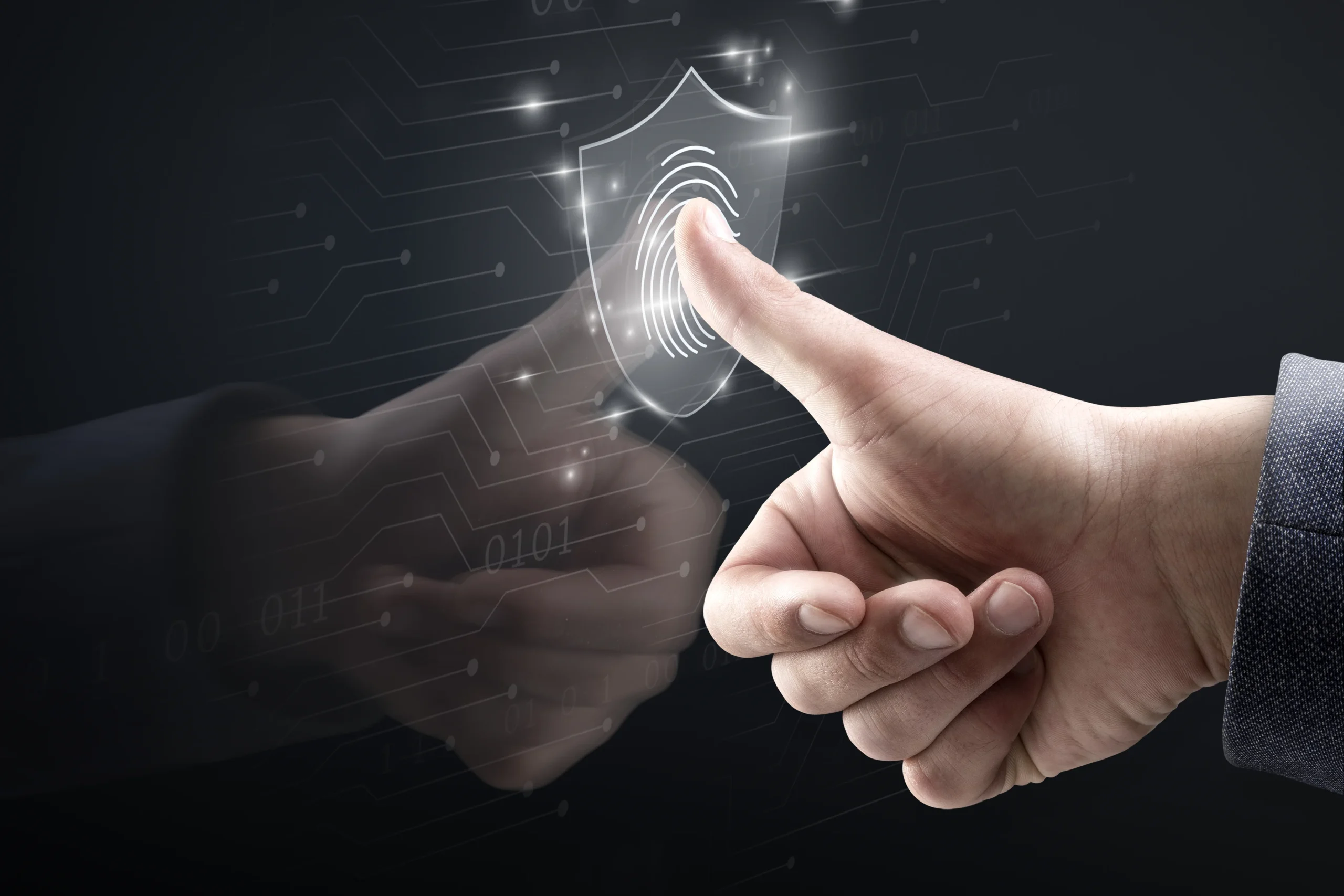
Passwords are failing us. They’re easy to forget, reuse, and hack. That’s why biometric authentication is quickly becoming the standard for secure, frictionless identity verification.
From unlocking your phone with your face to accessing bank apps using your fingerprint, biometrics are now part of everyday life. But how secure are they? And should businesses fully rely on them?
In this guide, you’ll learn everything about biometric authentication—how it works, its types, benefits, risks, and how to use it effectively in 2026 and beyond.
What Is Biometric Authentication?
Biometric authentication is a security process that verifies a person’s identity using unique biological or behavioral characteristics.
Unlike passwords or PINs, biometrics rely on things you are, not things you know.
Common biometric identifiers include:
- Fingerprints
- Facial recognition
- Iris or retina scans
- Voice patterns
- Typing rhythm (behavioral biometrics)
These identifiers are nearly impossible to duplicate, making biometric authentication a powerful tool for identity security.
How Biometric Authentication Works
At its core, biometric authentication follows a simple process:
1. Enrollment
Your biometric data (e.g., fingerprint or face) is captured and stored securely.
2. Storage
The data is converted into a mathematical template—not an image—and stored in a secure database or device.
3. Matching
When you try to log in, your biometric input is compared with the stored template.
4. Verification
If the match is successful, access is granted.
Important Note
Modern systems use AI and machine learning to improve accuracy and reduce false matches.
Types of Biometric Authentication Systems
1. Fingerprint Recognition
The most widely used form of biometric authentication is especially in smartphones.
Pros:
- Fast and convenient
- High accuracy
- Low cost
Cons:
- Can fail with wet or damaged fingers
2. Facial Recognition
Uses facial features like the distance between eyes, nose shape, and jawline.
Pros:
- Contactless
- Easy to use
- Ideal for mobile devices
Cons:
- Can be affected by lighting or masks
3. Iris and Retina Scanning
Highly secure methods are used in sensitive environments.
Pros:
- Extremely accurate
- Hard to spoof
Cons:
- Expensive hardware
- Less user-friendly
4. Voice Recognition
Analyzes speech patterns and tone.
Pros:
- Useful for remote authentication
- Hands-free
Cons:
- Can be affected by noise or illness
5. Behavioral Biometrics
Tracks user behavior like typing speed, mouse movement, or swipe patterns.
Pros:
- Continuous authentication
- Invisible to users
Cons:
- Still evolving technology
Benefits of Biometric Authentication
1. Enhanced Security
Biometric traits are unique, making biometric authentication far more secure than passwords.
2. Improved User Experience
No need to remember complex passwords—just scan and go.
3. Faster Access
Authentication takes seconds, improving efficiency.
4. Reduced Fraud
Harder for hackers to replicate physical traits.
5. Passwordless Future
Biometrics are a key part of passwordless authentication systems.
Challenges and Risks of Biometric Authentication
Despite its advantages, biometric authentication is not perfect.
1. Privacy Concerns
Biometric data is sensitive. If leaked, it cannot be changed like a password.
2. Data Breaches
Centralized databases can become targets for hackers.
3. False Positives/Negatives
No system is 100% accurate.
4. Spoofing Attacks
Advanced attackers may use:
- Fake fingerprints
- Deepfake facial images
- Voice cloning
5. Regulatory Issues
Different countries have strict data protection laws.
Biometric Authentication vs Traditional Methods
| Feature | Biometric Authentication | Passwords |
|---|---|---|
| Security | High | Low |
| Convenience | Very High | Low |
| Reset Option | No | Yes |
| User Experience | Seamless | Frustrating |
| Risk of Theft | Low | High |
Conclusion: Biometrics outperform passwords—but should not replace them entirely without additional layers.
Best Practices for Secure Biometric Authentication
To use biometric authentication safely, follow these best practices:
1. Use Multi-Factor Authentication (MFA)
Combine biometrics with:
- OTPs
- Security keys
- Device-based verification
2. Store Data Locally
Whenever possible, store biometric data on the user’s device instead of a central server.
3. Use Encryption
Ensure biometric templates are encrypted at all times.
4. Implement Liveness Detection
This prevents spoofing using photos or recordings.
5. Follow Compliance Standards
Adhere to regulations like:
- GDPR
- CCPA
- ISO security standards
Real-World Use Cases of Biometric Authentication
1. Smartphones
Face unlock and fingerprint sensors are standard features.
2. Banking and FinTech
Secure logins and transaction approvals using biometric authentication.
3. Healthcare
Patient identification and access control.
4. Airports and Border Control
Facial recognition speeds up identity checks.
5. Workplace Security
Access control systems replacing ID cards.
Future Trends in Biometric Authentication (2025–2030)
1. AI-Powered Biometrics
Smarter systems with better accuracy and fraud detection.
2. Decentralized Identity
Biometric data is stored on personal devices or blockchain systems.
3. Continuous Authentication
Systems that verify identity in real-time without user input.
4. Multimodal Biometrics
Combining multiple biometric factors (face + voice + behavior).
5. Privacy-First Solutions
New technologies like zero-knowledge proofs to protect user data.
FAQs About Biometric Authentication
Is biometric authentication safe?
Yes, biometric authentication is generally safe when combined with encryption and multi-factor authentication.
Can biometric data be hacked?
It’s difficult but possible. That’s why secure storage and encryption are critical.
What happens if biometric data is stolen?
Unlike passwords, biometric data cannot be changed. This makes protection extremely important.
Is biometric authentication better than passwords?
Yes, but the best approach is combining both in a layered security system.
Which biometric method is most secure?
Iris scanning and multimodal systems are considered the most secure forms of biometric authentication.
Conclusion
Biometric authentication is no longer a futuristic concept—it’s the present and future of digital security.
It offers a powerful mix of convenience and protection, making it ideal for individuals and businesses alike. However, it must be implemented carefully, with strong privacy and security measures.
If used correctly, biometric authentication can eliminate passwords, reduce fraud, and create a seamless user experience.
Next Step:
Start integrating biometric solutions into your systems—but always combine them with multi-layered security for maximum protection.
