


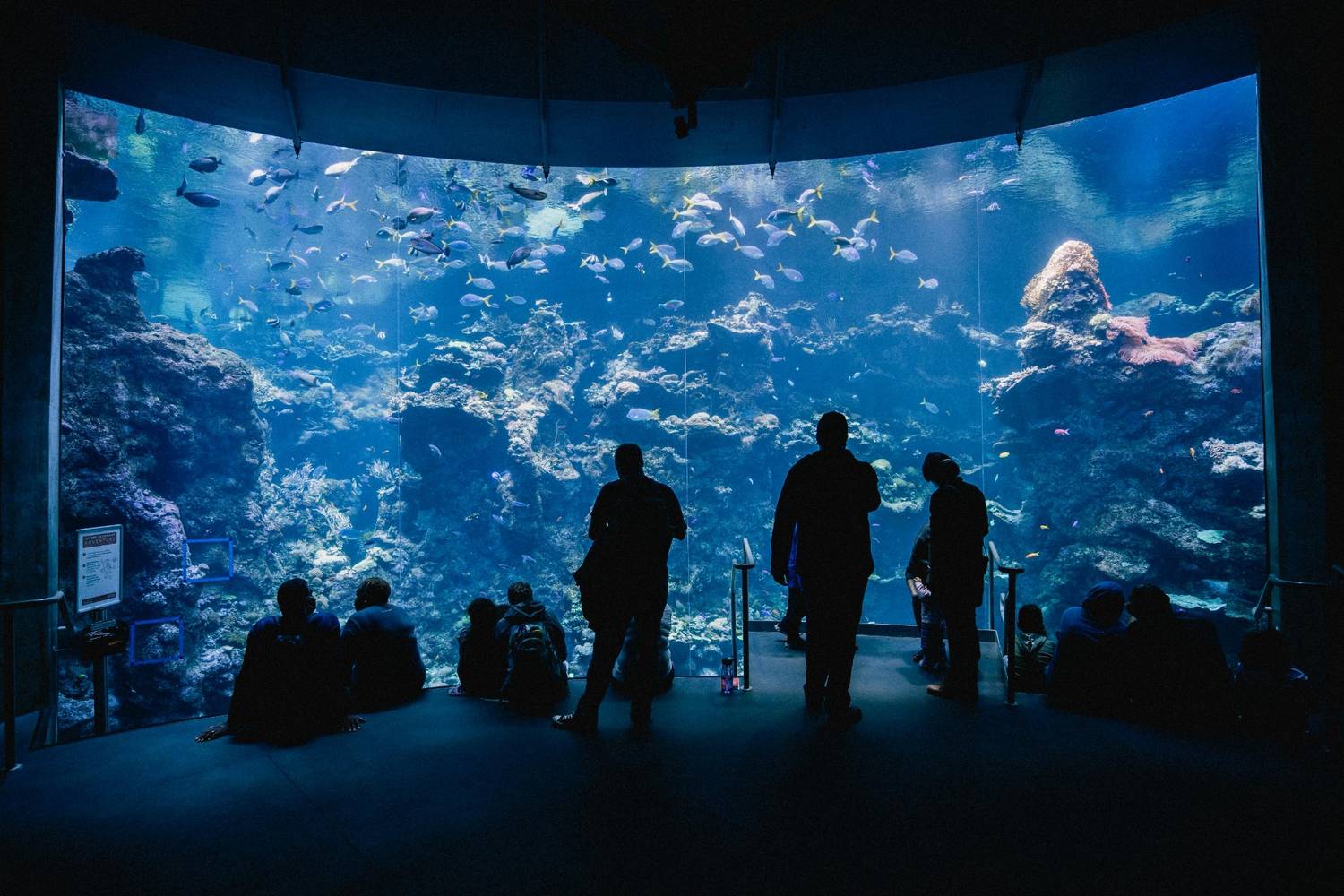
The Aquarium of the Pacific is one of the most popular marine attractions in the United States. Located in Long Beach, California, this world-class aquarium welcomes millions of visitors every year with immersive exhibits, interactive experiences, and thousands of ocean animals from across the Pacific Ocean.
Whether you are planning a family vacation, a weekend trip, or an educational visit, the Aquarium of the Pacific offers far more than a simple walk-through attraction. From playful sea otters to colorful coral reefs and giant sharks, the aquarium combines entertainment, science, and conservation in one unforgettable experience.
This updated 2026 guide covers everything visitors want to know, including:
- Best exhibits and attractions
- Ticket prices and hours
- Parking and transportation
- Animal encounters
- Insider tips for avoiding crowds
- Family-friendly activities
- Conservation programs
- Nearby places to visit
If you want the most complete and practical guide online, this article will help you plan the perfect visit.
What Is the Aquarium of the Pacific?
The Aquarium of the Pacific is a nonprofit public aquarium located in Long Beach, California, near the waterfront at Rainbow Harbor.
Opened in 1998, the aquarium focuses on marine life found in the Pacific Ocean. Today, it houses more than 12,000 animals representing hundreds of species.
The facility is divided into major geographic and thematic zones, including:
- Southern California & Baja
- Tropical Pacific Gallery
- Northern Pacific Gallery
- Shark Lagoon
- Lorikeet Forest
- Pacific Visions
Unlike many traditional aquariums, the Aquarium of the Pacific strongly emphasizes conservation, climate education, and hands-on learning experiences.
Why the Aquarium of the Pacific Is So Popular
Many aquariums around the world display marine animals, but the Aquarium of the Pacific stands out because of its interactive design and educational approach.
Visitors do not simply observe exhibits behind glass. Many areas encourage direct engagement through touch pools, feeding stations, and immersive multimedia experiences.
Here are a few reasons travelers consistently rate it among California’s top attractions:
- Family-friendly layout
- Interactive exhibits for kids
- A large variety of marine species
- Clean and modern facilities
- Easy access from Los Angeles and Orange County
- Educational programs and conservation focus
- Beautiful waterfront location
The aquarium is especially popular with families because children can actively participate instead of only watching exhibits passively.
Best Exhibits at the Aquarium of the Pacific
One common mistake visitors make is rushing through the aquarium too quickly. There is much more to explore than most people expect.
Here are the top exhibits you should prioritize during your visit.
Shark Lagoon
Shark Lagoon remains one of the most exciting attractions inside the Aquarium of the Pacific.
This exhibit features:
- Sand tiger sharks
- Zebra sharks
- Bamboo sharks
- Rays
- Large open-water displays
The interactive touch pools are especially popular. Guests can gently touch certain shark and ray species under staff supervision.
Tips for Visiting Shark Lagoon
- Visit early for smaller crowds
- Check feeding schedules beforehand
- Bring a camera for underwater tunnel photos
- Allow extra time for children
The exhibit blends excitement with education, helping visitors understand shark conservation and marine ecosystems.
Pacific Visions
Pacific Visions is one of the aquarium’s newest and most advanced sections.
This futuristic wing combines:
- Immersive digital theaters
- Interactive displays
- Climate science education
- Ocean conservation storytelling
The building itself is architecturally impressive, with a curved exterior inspired by ocean waves.
Many competitor articles briefly mention Pacific Visions but fail to explain why it matters. The exhibit goes beyond entertainment by connecting human behavior with ocean health and sustainability.
For adults and teenagers, this area often becomes the most memorable part of the visit.
Sea Otter Habitat
The sea otters are among the most photographed animals at the Aquarium of the Pacific.
These playful marine mammals are known for:
- Floating on their backs
- Cracking shells with rocks
- Social interactions
- Constant movement
Because sea otters are active throughout the day, this exhibit is ideal for families with young children.
Best Time to Watch the Sea Otters
Late morning and feeding times are usually the most active periods.
If possible, ask staff members about scheduled enrichment activities for additional interaction.
Tropical Pacific Gallery
This colorful section recreates tropical coral reef environments from the Pacific Ocean.
Inside, visitors can see:
- Clownfish
- Jellyfish
- Seahorses
- Moray eels
- Reef sharks
- Bright coral ecosystems
The exhibit is visually stunning and often becomes a favorite for photography lovers.
Lighting and design create a calming underwater atmosphere that feels immersive without becoming overwhelming.
Lorikeet Forest
Lorikeet Forest adds a completely different experience compared to the marine exhibits.
Guests can enter a walk-through aviary filled with colorful lorikeets that may land on visitors during feeding sessions.
Children especially enjoy this hands-on experience.
However, feeding cups sometimes sell out quickly during busy weekends, so arriving earlier improves your chances.
Aquarium of the Pacific Tickets and Admission Information
One of the biggest visitor questions involves pricing and ticket options.
Ticket prices may vary by season, holidays, and special events, but general admission usually includes access to most permanent exhibits.
Types of Tickets Available
General Admission
Standard entry for all permanent galleries and exhibits.
Annual Memberships
Ideal for residents or frequent visitors.
Membership benefits often include:
- Unlimited admission
- Discounted parking
- Guest passes
- Event access
- Gift shop discounts
Combo Tickets
Some packages include nearby Long Beach attractions.
Special Event Tickets
Separate tickets may apply for:
- Holiday events
- Shark-themed nights
- Cultural festivals
- Adult evening programs
Booking online in advance usually saves time and may reduce costs.
Best Time to Visit the Aquarium of the Pacific
Crowd levels can significantly affect your experience.
The aquarium is busiest during:
- Summer vacations
- Weekends
- School holidays
- Spring break
Best Days for Smaller Crowds
If possible, visit:
- Tuesday through Thursday
- Early mornings
- Non-holiday weeks
Arriving within the first hour after opening provides:
- Better exhibit visibility
- Shorter food lines
- Easier parking
- More comfortable photos
How Long Does It Take to Explore?
Most visitors spend:
- 3–4 hours for a standard visit
- 5+ hours with children or special programs
Rushing through in under two hours usually means missing major exhibits.
Family Tips for Visiting the Aquarium of the Pacific
The Aquarium of the Pacific is highly family-oriented, but planning ahead improves the experience significantly.
What to Bring
Recommended items include:
- Refillable water bottles
- Comfortable walking shoes
- Portable phone charger
- Light jacket
- Stroller for small children
Southern California weather can change quickly near the waterfront.
Best Activities for Kids
Children usually enjoy:
- Touch pools
- Shark Lagoon
- Lorikeet feeding
- Sea otter viewing
- Interactive digital exhibits
Many parents report that interactive zones help maintain children’s attention longer than traditional aquarium displays.
Dining Options Inside the Aquarium
The aquarium includes cafes and snack stations with family-friendly meals.
Common menu options include:
- Sandwiches
- Pizza
- Salads
- Kids’ meals
- Coffee and desserts
However, food lines can become long during lunch hours.
Many experienced visitors either:
- Eat early
- Eat late
- Visit nearby Long Beach restaurants afterward
Conservation and Education Programs
One major reason the Aquarium of the Pacific earns strong reviews is its focus on conservation and education.
The aquarium supports programs related to:
- Ocean pollution awareness
- Marine species protection
- Climate change research
- Sustainable seafood education
- Youth science learning
This educational mission gives the attraction deeper value beyond entertainment.
School groups, university researchers, and conservation organizations frequently collaborate with the aquarium on public outreach initiatives.
Animal Care and Ethical Practices
Modern travelers increasingly care about animal welfare.
The Aquarium of the Pacific emphasizes:
- Veterinary care
- Habitat enrichment
- Rescue partnerships
- Conservation breeding programs
- Scientific research
Transparency around animal care helps build visitor trust.
Nearby Attractions in Long Beach
Another advantage of visiting the Aquarium of the Pacific is its location near several major attractions.
Popular nearby stops include:
- The Queen Mary
- Shoreline Village
- Long Beach Harbor
- Whale watching tours
- Waterfront dining
- Pike Outlets shopping area
Many visitors combine multiple attractions into a full-day itinerary.
Frequently Asked Questions
Where is the Aquarium of the Pacific located?
The Aquarium of the Pacific is located in Long Beach, California, along the waterfront near Rainbow Harbor.
How much time should you spend at the Aquarium of the Pacific?
Most visitors spend between 3 and 5 hours exploring the exhibits, shows, and interactive experiences.
Is the Aquarium of the Pacific worth visiting?
Yes. The aquarium is considered one of the best family attractions in Southern California because of its interactive exhibits, marine life diversity, and educational experiences.
Can you touch animals at the Aquarium of the Pacific?
Yes. Certain exhibits, including touch pools in Shark Lagoon, allow supervised interaction with selected marine animals.
What is the best day to visit the Aquarium of the Pacific?
Weekdays, especially Tuesday through Thursday mornings, are typically less crowded.
Does the Aquarium of the Pacific have parking?
Yes. Paid parking is available near the aquarium, though availability may become limited during weekends and holidays.
Conclusion
The Aquarium of the Pacific offers far more than a traditional aquarium experience. It combines marine life encounters, conservation education, interactive exhibits, and family-friendly entertainment in one of California’s most scenic waterfront locations.
Whether you want to:
- Explore shark habitats
- Watch playful sea otters
- Learn about climate science
- Enjoy hands-on experiences with kids
- Discover Pacific Ocean ecosystems
This attraction delivers a memorable experience for visitors of all ages.
Planning, especially regarding tickets, timing, and exhibit priorities, can make your visit smoother and more enjoyable.
If you are traveling to Southern California in 2026, the Aquarium of the Pacific deserves a top spot on your itinerary.
