

Knowing how to send a letter might seem simple, but many people still feel unsure about postage, envelope formatting, and choosing the right mailing option. Whether you’re sending a job application, a personal note, or an official document, doing it correctly ensures your letter arrives safely and on time.
In today’s digital world, physical mail still plays an important role in legal, business, and personal communication. Mistakes like incorrect addressing or insufficient postage can delay or even return your mail.
In this guide, you’ll learn everything about how to send a letter in the United States, from writing and addressing it properly to choosing the best mailing service.
Quick Answer (Featured Snippet)
To send a letter in the United States, place your document in an envelope, write the recipient’s address and return address clearly, add the correct postage stamp, and drop it in a USPS mailbox or take it to a post office. You can also use certified or priority mail for faster and tracked delivery.
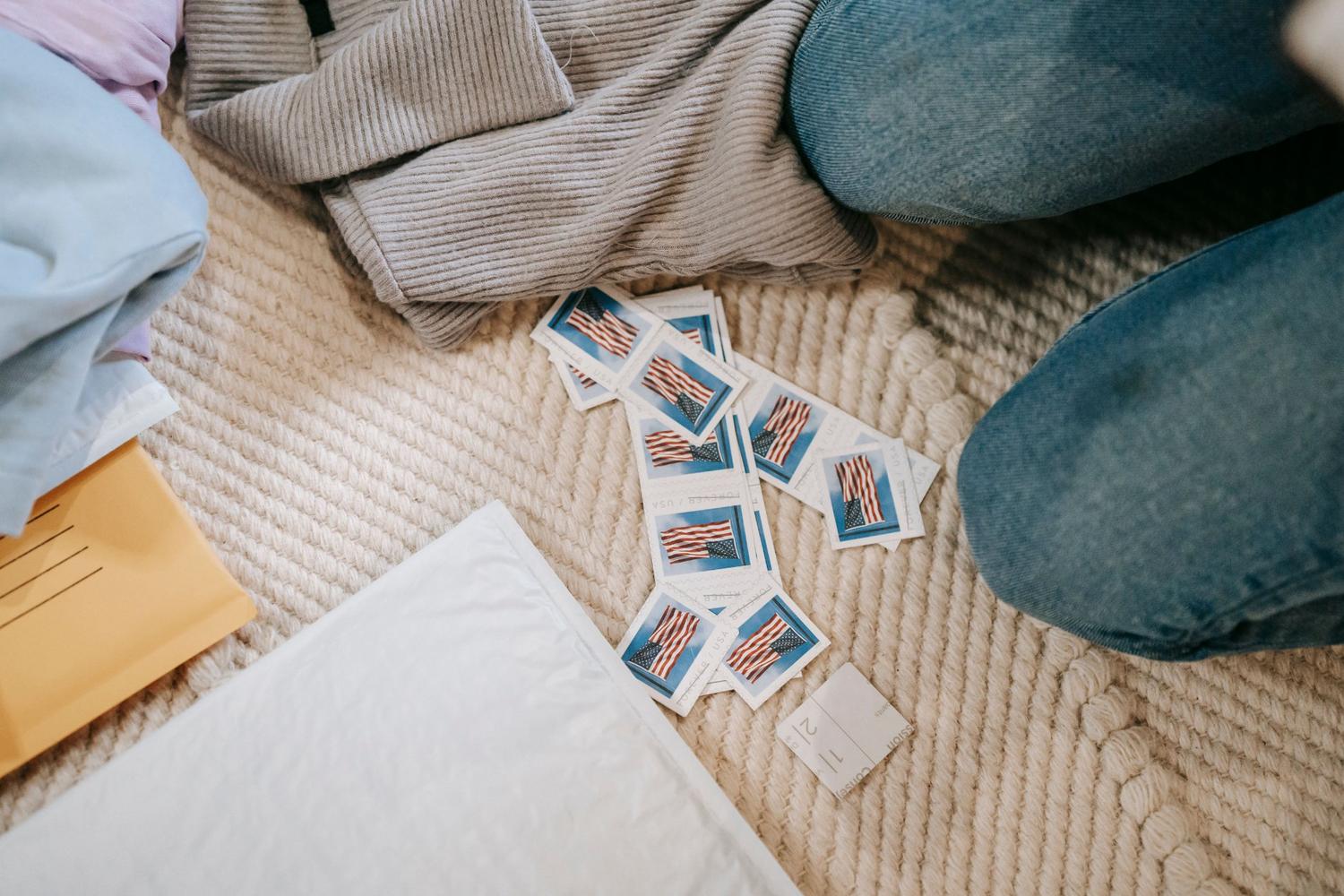
Image: Preparing a Letter for Mailing


Why Learning How to Send a Letter Still Matters
Even in 2026, physical mail remains essential in the United States. Understanding how to send a letter properly is important for several reasons:
- Legal documents often require physical delivery
- Employers still request mailed applications in some industries
- Government agencies use postal communication
- Personal letters and greeting cards remain meaningful
Unlike email, a mailed letter carries formality, trust, and sometimes legal validity.
How to Send a Letter: Step-by-Step Guide
This section breaks down the entire process in a simple, practical way.
1. Prepare Your Letter
Start by writing or printing your document. Make sure:
- The content is clear and complete
- No spelling or formatting errors exist
- You sign the letter if required
Fold it neatly to fit inside a standard envelope.
2. Choose the Right Envelope
Standard business envelopes (DL or #10 size in the US) are most commonly used.
Tips:
- Use a clean, undamaged envelope
- Avoid oversized paper unless necessary
- Choose padded envelopes for important documents
3. Write the Addresses Correctly
This is one of the most critical steps in sending a letter.
Recipient’s Address (Front Center)
Write:
- Full name
- Street address
- City, state, ZIP code
Example:
John Smith
123 Main Street
Austin, TX 78701
Return Address (Top Left Corner)
This ensures your letter comes back if undelivered:
- Your full name
- Your address
4. Add Postage
Postage determines whether your letter is delivered.
- Standard letter (up to 1 oz): usually 1 Forever Stamp
- Heavier letters require additional stamps
- International mail needs different postage
You can buy stamps at:
- USPS offices
- Grocery stores
- Online USPS store
5. Mail the Letter
Once everything is ready:
- Drop it in a blue USPS mailbox
- Or hand it to a postal worker
- Or schedule pickup (if eligible)
Your letter is now in the postal system.
Image: Mailing a Letter in the United States


How to Send a Letter Properly (Avoid Common Mistakes)
Many beginners make simple mistakes that delay delivery. Here’s how to avoid them.
Common Mistakes:
- Missing or incorrect ZIP code
- Illegible handwriting
- Forgetting the return address
- Using insufficient postage
- Placing the address in the wrong position
Pro Tips:
- Use uppercase letters for clarity
- Double-check ZIP codes online
- Use printed labels for important mail
- Weigh letters if unsure about postage
Types of Mailing Services in the US
Understanding your options helps improve delivery speed and reliability.
1. First-Class Mail
- Standard delivery (1–5 business days)
- Most affordable option
- Best for everyday letters
2. Priority Mail
- Faster delivery (1–3 days)
- Includes tracking
- Good for important documents
3. Certified Mail
- Proof of mailing and delivery
- Used for legal documents
- Requires recipient signature
4. International Mail
- Used for sending letters abroad
- Delivery times vary by country
- Requires customs forms
Image: Postal Office Services and Counter Assistance


Best Practices for Sending Letters
To master how to send a letter, follow these expert recommendations:
- Always verify recipient details twice
- Use high-quality ink or printing
- Keep copies of important letters
- Use tracking for valuable documents
- Send early to avoid delays
These habits ensure reliability and professionalism.
When Should You Send a Letter Instead of Email?
Even today, physical letters are preferred when:
- Signing contracts or legal agreements
- Applying for official government services
- Sending formal complaints or notices
- Delivering heartfelt personal messages
A letter adds seriousness and authenticity that email cannot match.
Future of Physical Mail in the US
While digital communication dominates, postal services remain stable due to:
- Legal requirements
- Package delivery growth
- Secure document exchange needs
USPS continues modernizing with tracking systems and faster delivery options, making sending a letter more efficient than ever.
FAQs About How to Send a Letter
1. How do I send a letter for the first time?
Write your letter, place it in an envelope, add addresses, attach a stamp, and mail it through USPS.
2. How much postage do I need?
Most standard letters require one Forever Stamp, but heavier mail may need extra postage.
3. Can I send a letter without going to the post office?
Yes, you can drop it in a USPS mailbox or schedule a pickup.
4. What happens if I don’t write a return address?
Your letter may not be returned if it cannot be delivered.
5. How long does delivery take in the US?
First-Class Mail usually takes 1–5 business days, depending on distance.
6. Can I track a regular letter?
Only if you use services like Certified Mail or Priority Mail.
7. Is handwriting required for sending a letter?
No, printed labels are acceptable and often preferred for clarity.
Conclusion
Learning how to send a letter is a simple but essential life skill that remains relevant in both personal and professional communication. From correctly addressing an envelope to selecting the right postage, each step ensures your message reaches its destination without delays.
Whether you’re sending a formal document or a personal note, following the proper mailing process builds reliability and trust.
If you’re ready, start practicing by sending a simple letter today. You’ll quickly gain confidence and accuracy in every step.
