


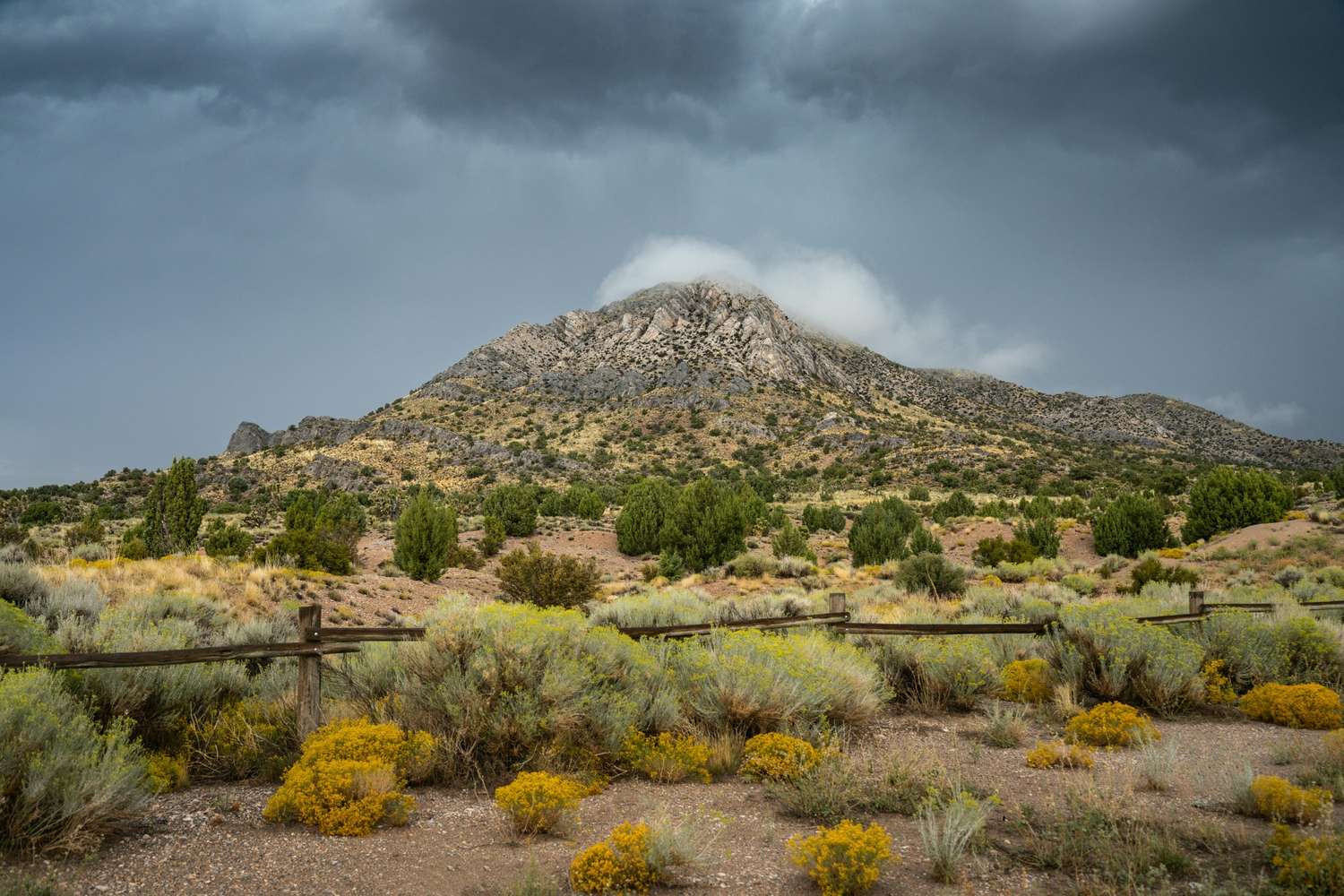
Nestled in eastern Nevada near the Utah border, Great Basin National Park remains one of America’s most underrated national parks. While famous destinations often struggle with crowds, this remarkable park offers something increasingly rare: solitude, pristine wilderness, night skies, and unforgettable adventures.
From hiking to the summit of Wheeler Peak to exploring the stunning formations inside Lehman Caves, Great Basin National Park delivers experiences that rival many of the country’s most visited parks. Whether you’re planning a road trip, looking for incredible stargazing opportunities, or searching for unique hiking trails, this guide covers everything you need to know for 2026.
Why Visit Great Basin National Park?
Many travelers overlook Great Basin National Park because of its remote location. Ironically, that’s one of its greatest strengths.
The park protects diverse ecosystems ranging from desert valleys to alpine peaks over 13,000 feet high. Visitors can experience:
- Ancient bristlecone pine forests
- Spectacular mountain scenery
- Limestone caves
- High-altitude lakes
- Wildlife viewing
- Exceptional stargazing
- Scenic drives
- Backcountry adventures
Unlike many major U.S. national parks, Great Basin often feels peaceful and uncrowded, even during peak summer months.
Where Is Great Basin National Park?
Great Basin National Park is located in eastern Nevada near the small town of Baker.
Nearby Destinations
- Las Vegas: Approximately 4.5–5 hours away
- Salt Lake City: About 4 hours away
- Ely, Nevada: About 1 hour away
The park’s remote location contributes to its pristine environment and exceptionally dark skies.
What Makes Great Basin National Park Special?
Ancient Bristlecone Pines
One of the park’s biggest attractions is its grove of ancient bristlecone pines.
These remarkable trees are among the oldest living organisms on Earth. Some are estimated to be over 4,000 years old. Their twisted trunks and weathered appearance tell a story of survival through centuries of harsh mountain conditions.
Walking through the bristlecone grove feels like stepping into a living museum.
Lehman Caves
Lehman Caves is a marble cave system filled with unique formations, including rare shields, stalactites, stalagmites, and delicate cave decorations.
Guided tours allow visitors to explore sections of the cave while learning about its geology and history. Reservations are strongly recommended, especially during the summer. Cave tours require a separate fee even though park entry is free.
Wheeler Peak
At 13,063 feet, Wheeler Peak dominates the landscape and offers one of Nevada’s most rewarding hikes.
The summit trail provides:
- Panoramic mountain views
- Alpine meadows
- Glacial features
- Opportunities to see wildlife
- Access to the famous rock glacier
Experienced hikers often rank Wheeler Peak among the best mountain hikes in the American Southwest.
Best Things to Do in Great Basin National Park
1. Hike the Wheeler Peak Trail
The Wheeler Peak Trail is the park’s signature hike.
Highlights:
- Summit Nevada’s second-highest peak
- Stunning alpine scenery
- Wildflowers during summer
- Spectacular photography opportunities
The trail is strenuous due to elevation gain and altitude, so proper preparation is essential.
2. Explore the Bristlecone Pine Trail
The Bristlecone Pine Trail is one of the most rewarding moderate hikes in Great Basin National Park.
Visitors can walk among trees that have survived thousands of years of drought, storms, and changing climates. Rangers often provide educational information during the summer season.
3. Tour the Lehman Caves
A cave tour is one of the most unique experiences in the park.
Expect:
- Intricate cave formations
- Cool underground temperatures
- Fascinating geology
- Family-friendly educational experiences
Booking in advance is highly recommended.
4. Go StargazingThe
Great Basin is internationally recognized for its exceptionally dark skies.
The lack of nearby cities creates ideal conditions for:
- Milky Way photography
- Meteor shower viewing
- Telescope observations
- Astronomy programs
Many visitors consider stargazing the highlight of their trip. Community discussions consistently praise the park’s night sky experience.
5. Drive the Wheeler Peak Scenic Drive
This scenic road climbs from desert landscapes into alpine environments.
Along the way, you’ll encounter:
- Dramatic elevation changes
- Forested mountain slopes
- Wildlife viewing areas
- Access points for major hiking trails
The drive itself is worth the trip.
Best Time to Visit Great Basin National Park
Spring (March–May)
Pros:
- Cooler temperatures
- Fewer visitors
- Wildflowers begin appearing
Cons:
- Snow may limit access to higher elevations
- Wheeler Peak Scenic Drive may remain partially closed
Summer (June–August)
Pros:
- Full trail access
- Pleasant mountain weather
- Ranger programs
- Best hiking conditions
Cons:
- Most popular season
For most travelers, summer is the ideal time to visit Great Basin National Park.
Fall (September–October)
Pros:
- Beautiful colors
- Cooler hiking weather
- Smaller crowds
Cons:
- Early snowstorms are possible
Winter (November–February)
Pros:
- Snow-covered landscapes
- Outstanding solitude
Cons:
- Limited access to higher elevations
- Seasonal road closures
Hiking in Great Basin National Park
Easy Trails
- Mountain View Nature Trail
- Lehman Creek Trail sections
- Short cave area walks
Moderate Trails
- Bristlecone Pine Trail
- Alpine Lakes Loop
- Teresa Lake Trail
Difficult Trails
- Wheeler Peak Summit Trail
- Baker Creek routes
- Backcountry wilderness trails
When hiking, carry plenty of water and remember that elevation can affect even experienced hikers.
Wildlife You May See
Great Basin National Park supports diverse wildlife populations.
Common sightings include:
- Mule deer
- Marmots
- Mountain lions
- Coyotes
- Golden eagles
- Peregrine falcons
- Pikas
Wildlife is most active during early morning and evening hours.
Camping in Great Basin National Park
Camping is one of the best ways to experience the park.
Popular campgrounds include:
- Lower Lehman Creek
- Upper Lehman Creek
- Wheeler Peak Campground
- Baker Creek Campground
- Grey Cliffs Campground
Developed campgrounds generally require reservations during peak season. Camping fees apply even though the park entry itself is free.
Tips for Campers
- Reserve early for summer visits
- Prepare for cold nights
- Store food properly
- Check seasonal campground availability
Fees and Entry Information
One of the most surprising facts about Great Basin National Park is that it does not charge an entrance fee. Visitors can access the park without purchasing an entry pass.
However, some activities require payment:
- Lehman Cave tours
- Campgrounds
- Certain reservation-based services
This makes Great Basin one of the best-value national park destinations in the United States.
Practical Travel Tips
What to Pack
- Layered clothing
- Hiking boots
- Sun protection
- Water bottles
- Flashlight
- Camera
- Binoculars
Cell Service
Cell coverage can be limited throughout the park. Download maps and important information before arriving.
Altitude Awareness
Many attractions are located at high elevations.
To avoid altitude-related discomfort:
- Stay hydrated
- Pace yourself
- Allow time to acclimate
- Avoid overexertion on your first day
Frequently Asked Questions
Is Great Basin National Park worth visiting?
Absolutely. The combination of caves, mountains, ancient trees, and dark skies makes it one of the most unique national parks in North America.
How many days do you need in Great Basin National Park?
Most visitors should spend at least 2–3 days. This allows time for hiking, cave tours, scenic drives, and stargazing.
Is there an entrance fee for Great Basin National Park?
No. The park currently does not charge an entrance fee. Separate fees apply for cave tours and camping.
What is Great Basin National Park known for?
The park is famous for:
- Lehman Caves
- Wheeler Peak
- Ancient bristlecone pines
- Dark sky astronomy
- High-elevation wilderness
When is the best time to visit Great Basin National Park?
June through September generally offers the best access to trails, scenic drives, and visitor services.
Can you see the Milky Way in Great Basin National Park?
Yes. The Great Basin is widely recognized as one of the best stargazing destinations in the United States due to minimal light pollution.
Conclusion
Great Basin National Park offers a rare combination of natural beauty, adventure, and solitude. From ancient bristlecone pines and underground cave systems to alpine summits and some of the darkest skies in North America, the park delivers experiences that many travelers never expect from Nevada.
If you’re looking for a national park that feels wild, uncrowded, and genuinely memorable, Great Basin National Park deserves a place at the top of your travel list. Plan at least a few days, reserve your cave tour early, and don’t forget to stay after sunset—the stars alone are worth the journey.
